Table of Contents
Introduction:
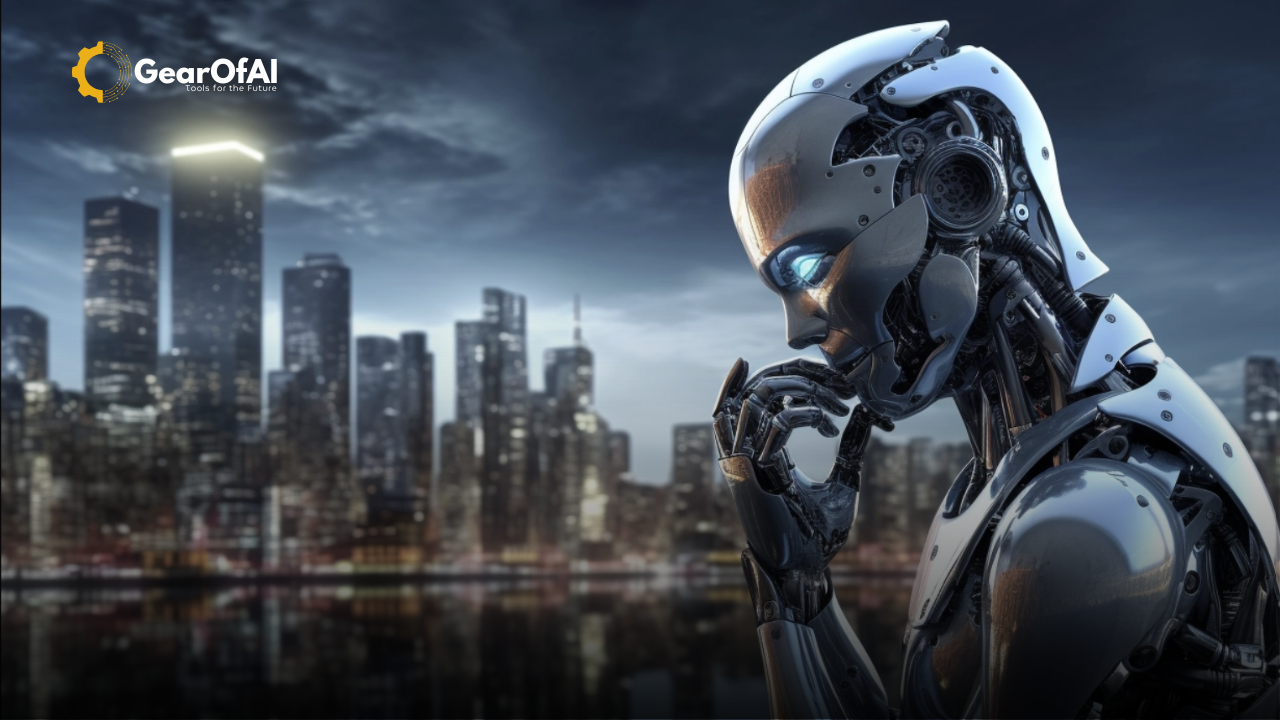
The Future of AI: The pace of artificial intelligence innovation is accelerating faster than anyone predicted. By 2030, AI will no longer be just a supportive tool—it will become an integral part of daily life, business, healthcare, and even creativity. From smarter AI assistants to fully autonomous industries, the best AI tools of today are laying the foundation for a future where technology and human intelligence work hand-in-hand.
In this article, we’ll explore what AI could look like by 2030, the industries it will transform, and how emerging technologies are reshaping the world as we know it.
1. Smarter AI Assistants and Everyday Automation
By 2030, personal AI assistants will evolve far beyond Siri, Alexa, or ChatGPT. These systems will be deeply integrated into every device—your phone, car, and even your home appliances. Imagine an AI that not only manages your schedule but also predicts your needs based on habits, mood, and health data.
What to Expect by 2030:
- AI assistants with emotional intelligence capable of understanding tone, context, and personality.
- Predictive automation for daily life (groceries ordered automatically, travel routes planned in advance).
- Seamless integration between devices—AI that moves with you from one screen to another.
Example:
An AI like Google Gemini or OpenAI’s GPT-6 could become your personal life manager, analyzing patterns and optimizing your lifestyle through deep personalization.
2. AI and the Workforce of the Future
Automation is already reshaping jobs, but by 2030, AI will redefine what work means. While repetitive tasks will be handled by machines, new creative and analytical opportunities will emerge for humans.
Future Work Trends:
- AI will assist professionals rather than replace them—improving productivity and reducing burnout.
- New career paths will emerge in AI ethics, prompt engineering, data curation, and AI auditing.
- Companies will use the best AI tools for hiring, onboarding, and performance evaluation.
Example:
A content creator could use AI for editing, writing, and social media scheduling, while focusing their energy on creativity and storytelling.
3. Healthcare Powered by AI
AI in healthcare will experience massive breakthroughs by 2030. Predictive algorithms will identify diseases before symptoms appear, while robotic surgeries will become more precise and safe.
Expected Advances:
- AI-driven diagnostics with 99% accuracy.
- Personalized medicine based on genetic data.
- Mental health chatbots and therapy assistants powered by emotional AI.
- Smart wearables connected to real-time health monitoring systems.
Example:
Tools like DeepMind Health or IBM Watson Health will evolve into systems capable of providing early diagnosis for conditions like Alzheimer’s or heart disease long before visible symptoms.
4. The Rise of Creative AI
By 2030, creativity will be co-piloted by AI. Artists, filmmakers, and musicians will collaborate with AI systems like MidJourney, Runway, and Pika Labs to produce high-quality content in minutes.
Predicted Trends:
- AI-generated films and digital art will dominate streaming platforms.
- Custom content tailored for users’ preferences will become standard.
- AI storytelling tools will help independent creators compete with big studios.
Example:
Imagine a filmmaker using AI to write scripts, generate visuals, and edit soundtracks—all customized by audience sentiment analysis.
5. AI in Education and Research
By 2030, AI will transform classrooms into dynamic, adaptive learning spaces. AI tutors will personalize education for every student’s pace and style.
Key Impacts:
- Virtual AI teachers that adjust lesson plans automatically.
- Research automation—AI conducting data analysis, summarization, and report generation.
- Immersive learning experiences with VR and AI combined.
Example:
A student studying physics might use AI-powered simulations that explain concepts through personalized 3D visuals and voice-guided interaction.
6. AI and Ethics: The Biggest Challenge Ahead
As AI becomes more powerful, the biggest challenge will be ethical governance. Questions about privacy, data control, and AI bias will intensify. By 2030, regulations will likely be in place to ensure safe and fair AI use globally.
Future Safeguards:
- Stricter global AI policies focusing on transparency and data privacy.
- AI tools with built-in bias detection and accountability layers.
- Clear distinction between AI-generated and human-created content.
Example:
Governments may enforce “AI Transparency Tags” on all digital content, allowing users to see whether something was made or influenced by AI.
7. The Next Generation of AI Tools
The best AI tools in 2030 will merge multiple technologies—machine learning, quantum computing, and neuroscience. These tools will not just generate data but reason, predict, and empathize.
Examples of What’s Coming:
- Neural Interface AI: Controlling devices directly through brain signals.
- Quantum AI: Solving complex problems in seconds that take years today.
- AI Companions: Emotionally intelligent systems for companionship and therapy.
AI won’t just make life easier it will redefine human capability.
Final Thoughts
By 2030, AI will evolve from a tool into a trusted partner augmenting human intelligence rather than replacing it. It will personalize our experiences, empower innovation, and revolutionize industries from healthcare to entertainment.
However, as AI grows smarter, society must grow wiser. The key will be using the best AI tools responsibly ensuring that technology enhances humanity, not replaces it.
The future of AI is not just about what machines can do it’s about what humans and machines can achieve together.